
The Difference Between Formal and Business-Casual Dressing
Where formal dressing ends and business-casual begins — shirts, collars, fabrics, trousers and shoes for each.
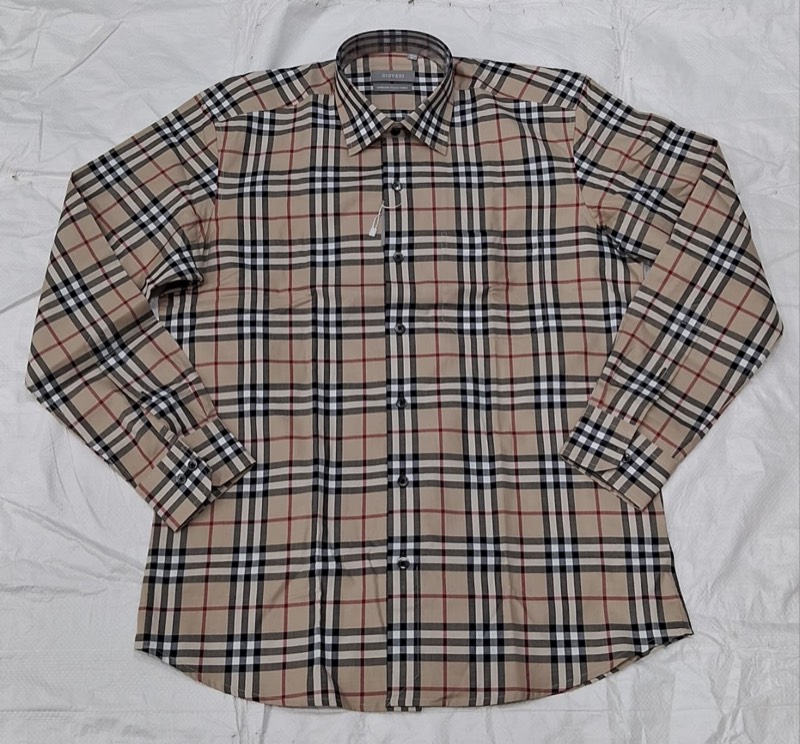
"Formal" and "business casual" appear on invitations, offer letters and office handbooks as if everyone agreed on what they mean. In practice the line between them is blurry, and most dressing mistakes happen in that blurred middle: the man in a full suit at a relaxed offsite, or the one in a casual check shirt at a board review. Knowing what actually separates the two codes, piece by piece, makes it far easier to judge any situation correctly.
Two codes, one purpose
Both dress codes exist to show respect for the setting and the people in it. Formal business dress does this through structure and restraint: matching pieces, quiet colours and a clear set of conventions. Business casual does it through neatness rather than formality, allowing more colour, softer fabrics and fewer layers while still looking deliberate.
Business casual is a relatively recent idea. It became widespread in offices during the 1990s, when many companies relaxed their rules, first on Fridays and then more generally. Because it grew up informally, it has never had fixed boundaries, which is why it confuses people far more than formal dress does.
A piece-by-piece comparison
The simplest way to see the difference is to go through an outfit from top to bottom.
Jacket. Formal: a suit jacket matching the trousers, or at minimum a dark blazer. Business casual: a jacket is optional; an unstructured blazer or none at all is normal.
Tie. Formal: expected, usually in silk with a modest pattern. Business casual: generally absent, though a knitted or textured tie can be worn by choice.
Trousers. Formal: suit trousers or well-pressed dress trousers in charcoal, navy or grey. Business casual: dress trousers still work, alongside chinos in stone, khaki or navy.
Shoes. Formal: polished black or dark brown leather lace-ups such as oxfords or derbies. Business casual: loafers, brogues, suede and lighter browns all become acceptable.
Belt. Both codes expect a leather belt that matches the shoes; the business-casual version can be a little broader or more textured.
The shirt sits between all of these, and it is where the most useful distinctions lie.
What makes a shirt formal or business casual
The same basic garment, a collared shirt with long sleeves, can sit on either side of the line depending on a handful of features. The men's formal shirts page explores colours and patterns further, but these are the signals that matter most.
Collar
Point and spread collars with stiff interlining read as formal; they are designed to sit under a tie and a jacket lapel. Button-down collars, cutaway collars worn open, and softer unlined collars lean business casual. The shirt style directory shows each type side by side.
Fabric and weave
Smooth, fine fabrics such as poplin, broadcloth and fine twill look formal. Textured weaves such as oxford cloth, chambray and heavier herringbone look more relaxed. Linen belongs firmly on the casual side, however good the shirt.
Colour and pattern
White and pale blue are formal by default; pink, lavender and fine stripes sit comfortably in both codes. Bolder checks, deeper colours and visible textures move a shirt towards business casual. Large checks and prints generally fall outside both.
Details
Double cuffs are a formal feature. Chest pockets, contrast buttons, and back pleats or loops tend to read slightly less formal. A shirt should be tucked in under either code; untucked shirts belong to smart casual, which is a different category altogether.
The grey zones
Most real situations are not clearly one thing or the other. These are the ones that cause the most hesitation.
- Client meetings in a business-casual office. Dress one step up from your normal day. If you usually wear chinos and no jacket, wear dress trousers and bring a blazer.
- Interviews. Unless you are told otherwise, lean formal. A white or light blue shirt, dark trousers and a tie that can be removed if the room is clearly relaxed is the safest approach. The guide to shirts for interviews and occasions goes into more detail.
- Office parties and festive gatherings. These often call for something smarter than business casual but less rigid than formal: a richer shirt colour, dark trousers, good shoes and perhaps a jacket.
- Business travel. Travel in business casual, and carry what you need to step up to formal for the meeting itself. Darker trousers and crease-resistant shirts make this easier.
- Video calls. Only the top half is visible, but the code still applies. A formal call deserves a formal collar.
Common mistakes on each side
When dressing formally
- Wearing a button-down collar with a tie and suit for a very formal occasion; it is not wrong, but it reads softer than intended.
- Choosing a shirt so slim that it pulls at the buttons once the jacket is off.
- Letting the tie and shirt pattern compete, such as a busy stripe under a busy tie.
When dressing business casual
- Interpreting "casual" as permission for a creased or faded shirt. Neatness matters more, not less, without a jacket to hide behind.
- Wearing a very stiff, formal collar open, which can splay awkwardly without a tie.
- Pairing a formal shirt with trainers or sandals, which drops below business casual entirely.
Dressing for both in an Indian setting
Mumbai adds its own considerations. Heat and humidity make a full suit uncomfortable outdoors for much of the year, so many formal occasions are interpreted as a formal shirt, dark trousers and a tie, with the jacket worn only indoors. Air-conditioned offices, meanwhile, make a light blazer practical in business-casual settings even when it would be too warm outside.
During the monsoon, many offices quietly accept a slightly more relaxed approach, and darker trousers become a sensible choice regardless of dress code. Weddings and celebrations follow their own rules entirely, often favouring traditional dress, so it is always worth checking what hosts expect.
Building a wardrobe that covers both
The good news is that you do not need two separate wardrobes. A handful of white and light blue business shirts with collars that look good both with and without a tie, two pairs of dark dress trousers, one pair of chinos, a navy blazer, black and brown shoes and two or three ties will cover nearly every situation. For a fuller explanation of how to combine those pieces, see the gentleman's style guide, and for how dress codes have shifted more broadly, read about formal shirts in modern corporate dressing. If you would like to compare collars and fabrics in person, you can visit Options Mall in Vile Parle West and try formal shirts on before deciding.
The Modern Gentleman's Journal · Options Mall, Vile Parle West, Mumbai